ENVIRONMENT & CROP CULTIVATION
“Planting trees contributes to a healthier environment and crops also require a healthy environment to grow. HAGL believes that environmental protection is not only a responsibility but also a foundation for enhancing product value, building trust with partners and communities, and ensuring long-term development for future generations.”
1. CLIMATE-SMART AGRICULTURE
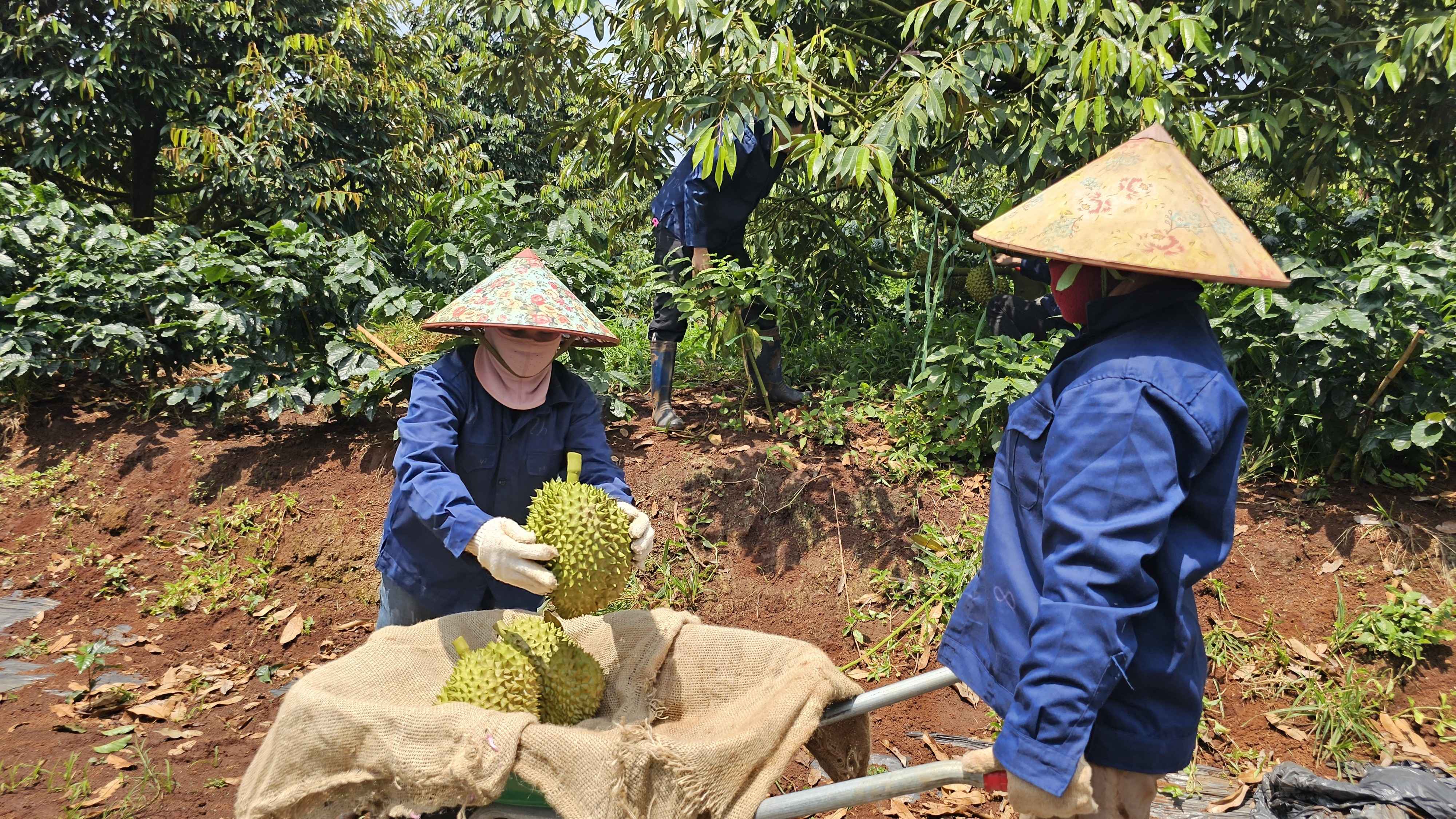
Agricultural production is increasingly affected by climate change. Prolonged droughts, localized extreme rainfall, declining groundwater levels and soil erosion have become ongoing challenges for agricultural production and local communities. In this context, HAGL prioritizes farming practices suited to natural conditions, promotes the responsible use of resources, and gradually raises environmental awareness across its production chain.
2. WATER AND LAND RESOURCE MANAGEMENT
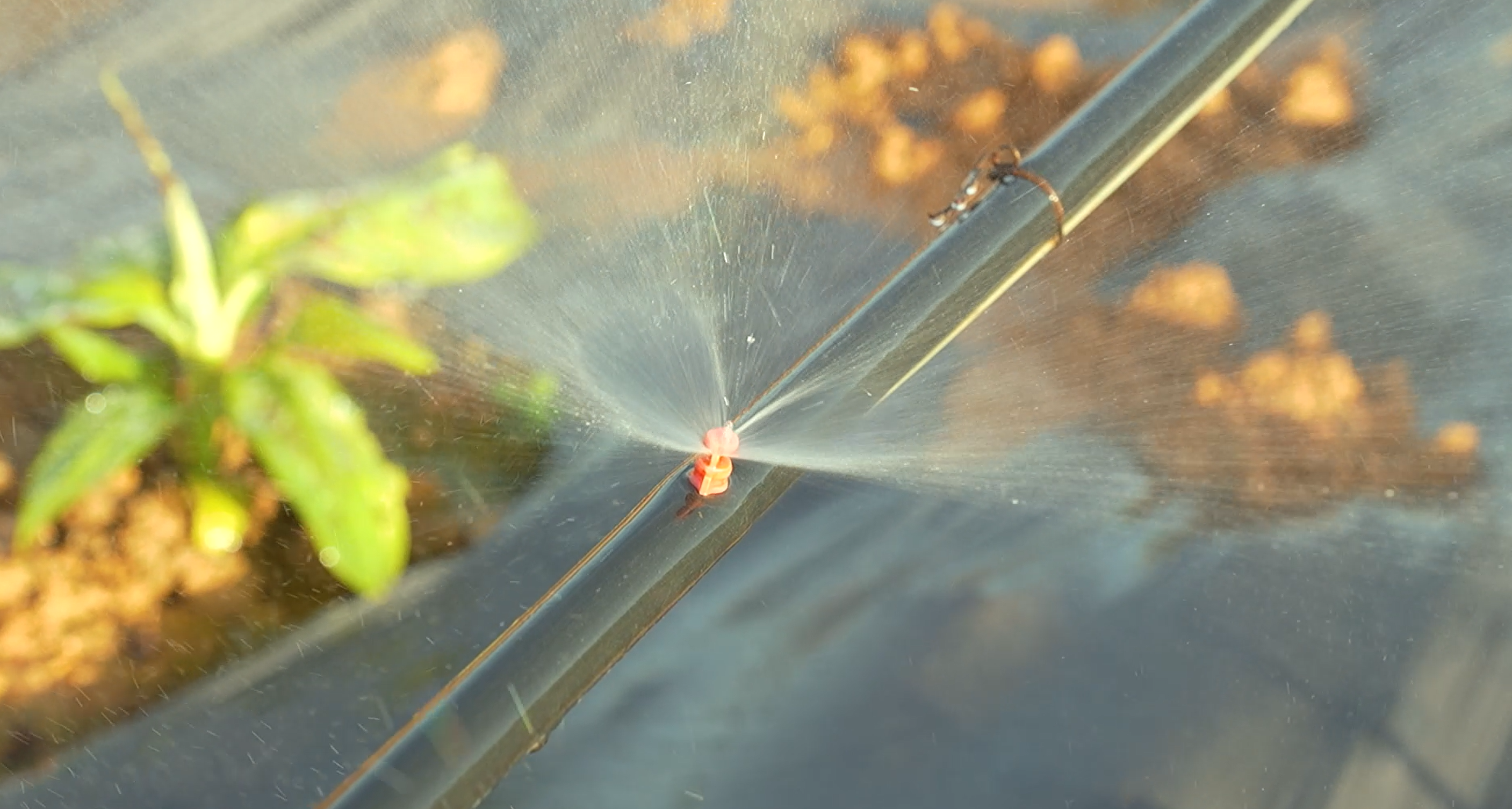
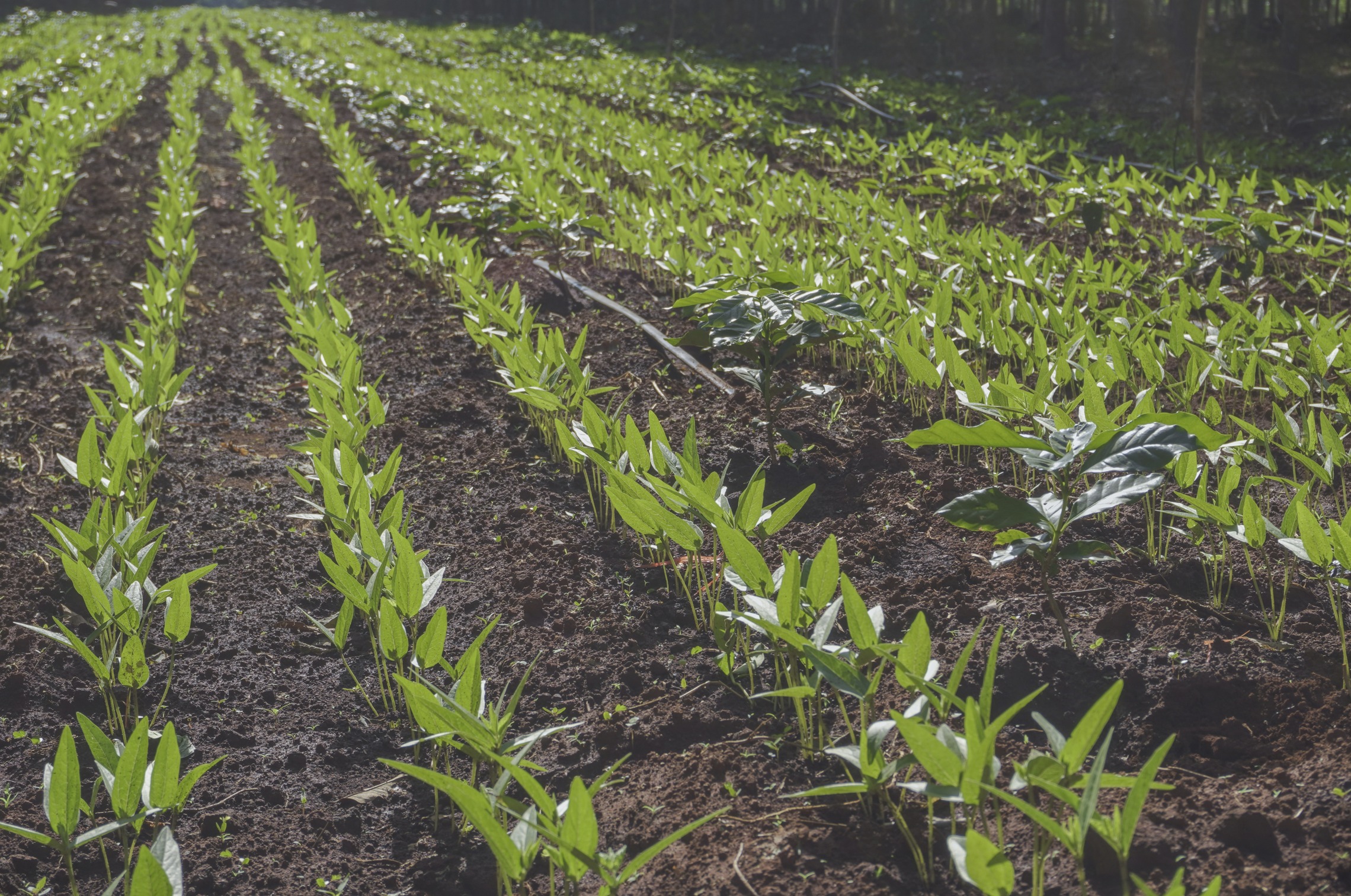
Sprinkler and drip irrigation systems save 50–70% of water compared to conventional methods. They are always given high priority in HAGL agricultural projects.
Applying fertilizers through the irrigation system helps control the amount of fertilizer, improves plant health, makes it easier for plants to absorb nutrients, and mitigates the negative impact on soil and groundwater. In addition, drip irrigation does not cause soil erosion or infertility. Organic fertilizers produced from agricultural waste are reused to restore soil health.
3. SOLAR ENERGY PILOT
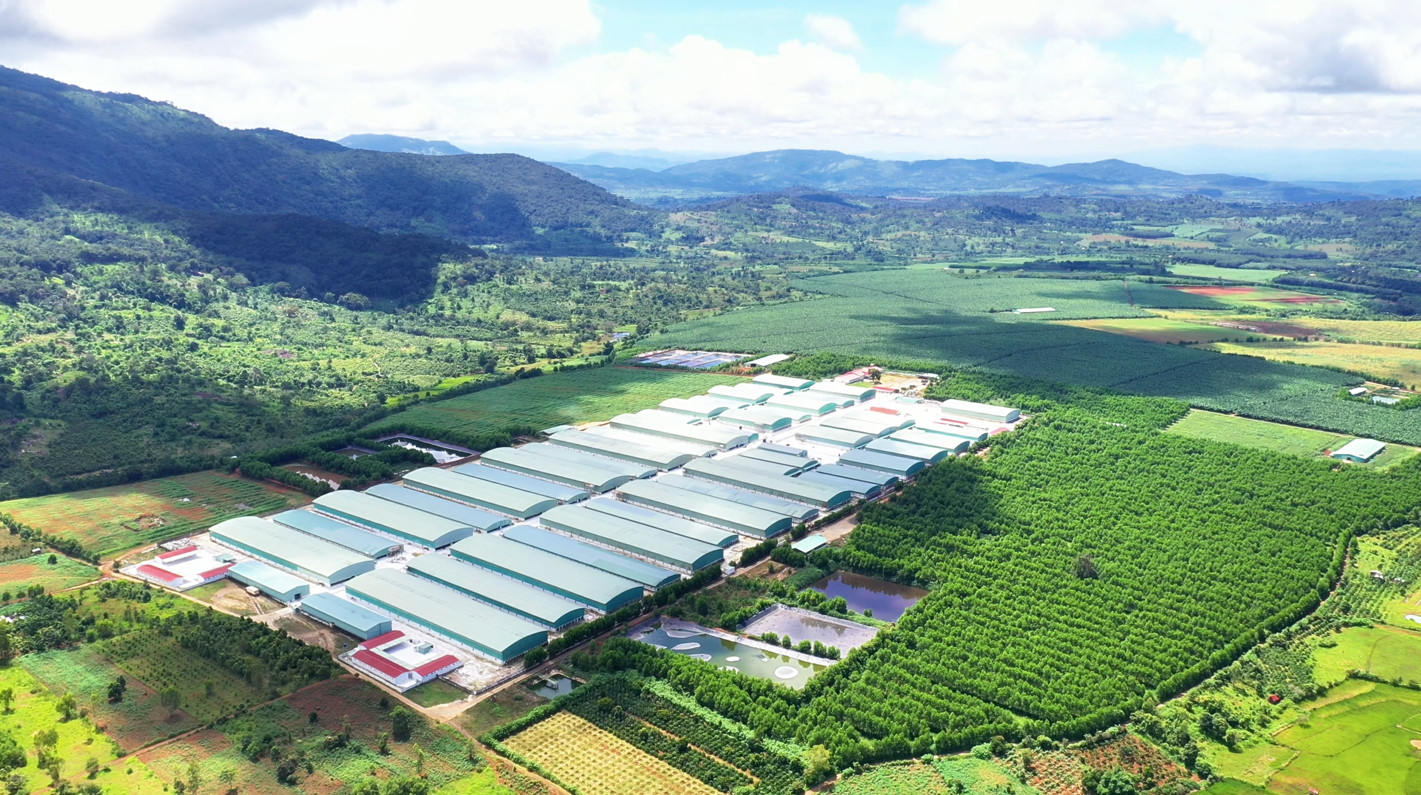
HAGL piloted the installation of a 1.6 MWp rooftop solar power system at livestock farms. With the large farm areas and livestock facilities, the system is expected to supply approximately 20% of the electricity demand from solar energy.
4. WASTE MANAGEMENT AND CIRCULAR ECONOMY
Using reusable materials in product manufacturing and packaging:
•All chemical fertilizer packaging is reused multiple times to store organic fertilizers and collect plant residues in the fields.
•Shaping materials, bunch covers and banana bunch bags are repeatedly reused to avoid releasing large amounts of plastic and foam into the environment.
•Broken or used water pipes are shipped to the Company's factories for recycling.
•Continuing to operate a circular nutrient model by utilizing rejected bananas as feed for pig farming. Organic fertilizers are produced through vermiculture and black soldier fly larvae to process waste from both crop cultivation and livestock farming.
5. COMPLYING WITH THE LAWS ON ENVIRONMENT
•The Group comply with environmental laws and regulations in its investments. The Environment Section effectively controls production activities in compliance with the regulations of the authorities.
•Issued regulations on chemical use and conducts monitoring to minimize the use of pesticides and chemical products. Only crop protection products permitted under GLOBALG.A.P standards are used.
•Regulations on receiving, processing feedback, recommendations, and providing information to individuals and organizations on issues related to the projects.
•Maintaining cooperation with Bureau Veritas — an international organization in inspection, evaluation and certification to carry out commitments to sustainable planning, development and production and business towards building and protecting community values and conservation of natural values.
Number of violations and total fines for non-compliance with environmental laws and regulations: None.